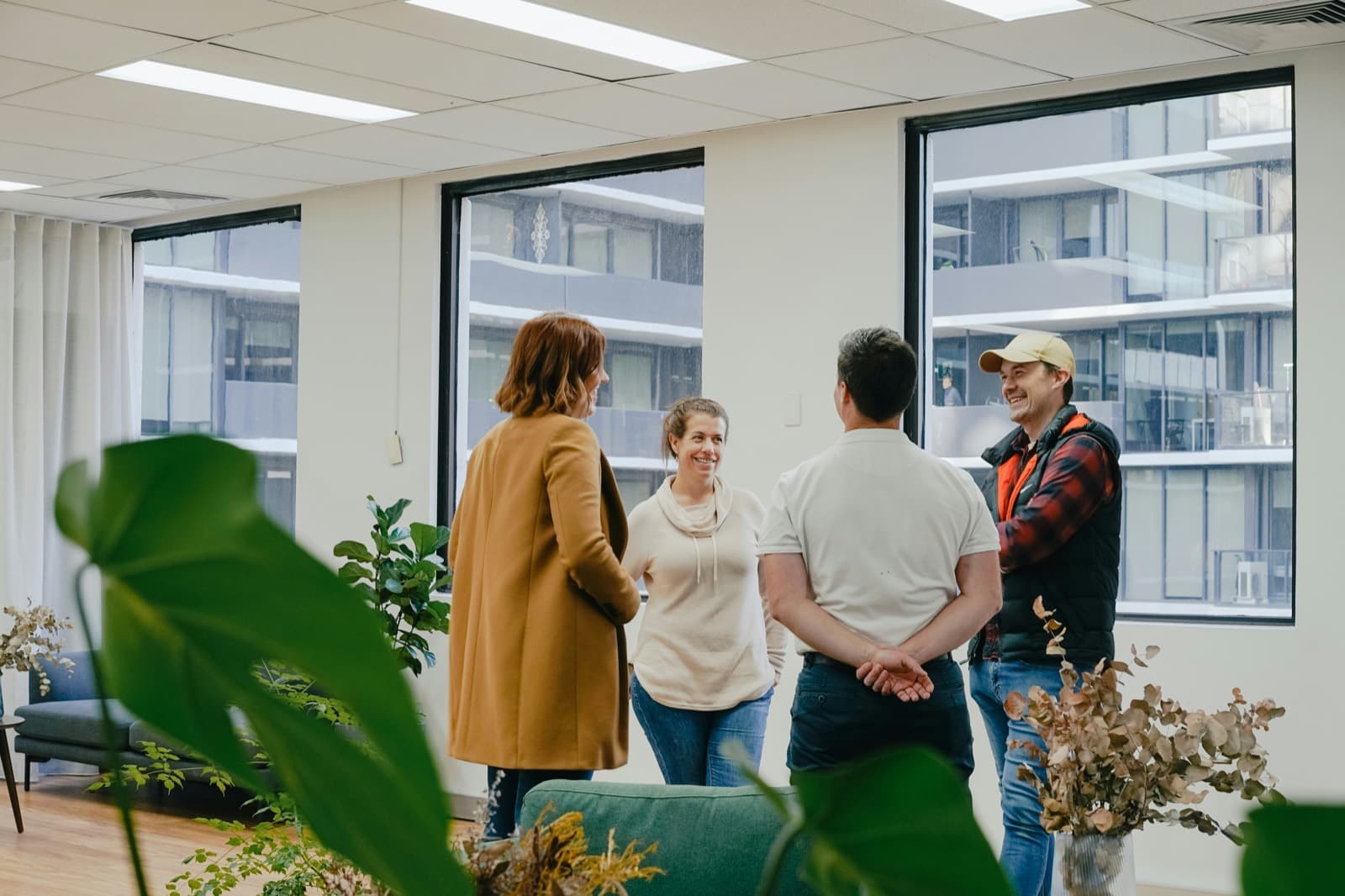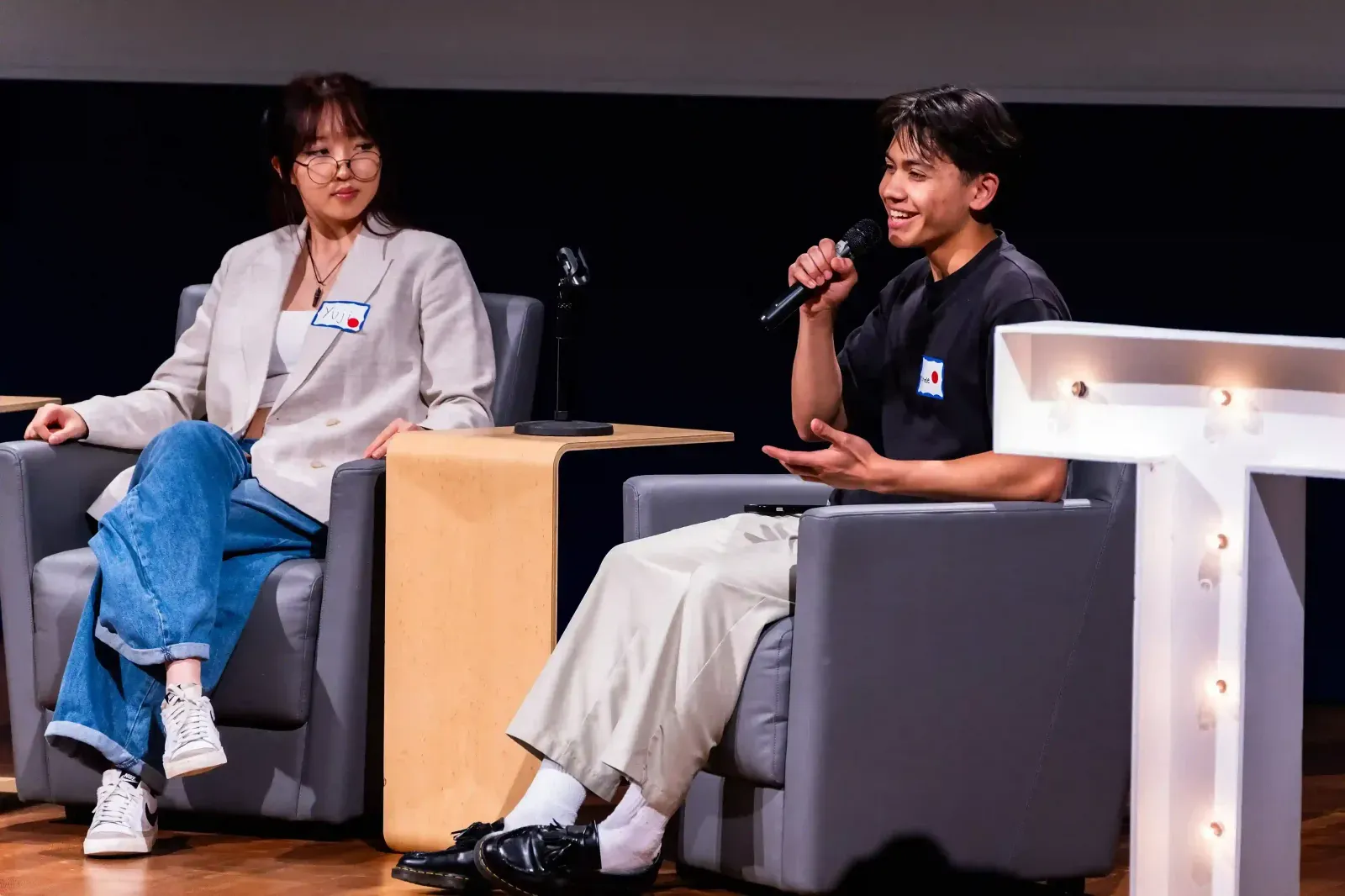

TKS students together at an event

The Knowledge Society

A community of remarkable young people, and the companies who needed them.

← Back to the work

A global innovation program for teenagers, and the corporate partnerships that turned one-off sponsorship into a third of the company's revenue.

In-house / Global Head of Partnerships
  • Partnership design
  • Pipeline
  • Education

$3.6M

Partnership revenue raised

2% → 35%

Of company revenue

How it worked

The value that only existed between the two of them.

  1. 01 · The gap

    TKS was an innovative education model with a sustainability challenge: it relied on tuition, which shut out families who could not pay and capped how far it could scale.

    When I joined, TKS ran in two countries and five cities, and most corporate revenue came from one-off sponsorships. The bigger opportunity was partnerships companies would renew year after year.

  2. 02 · The fit

    Companies wanted what TKS already had: ambitious young people working on real problems, early access to technical talent, and an authentic line to the next generation. TKS needed what they could give: internships, mentors, tools to build with, and revenue that made the program more accessible.

    I moved the model from selling sponsorships to designing long-term partnerships around what each side genuinely needed.

  3. 03 · What it compounded into

    Partnership revenue became an engine for growth and access: more than 68% of students received financial aid.

    By the time I left, TKS had students in more than 70 countries, $3.6M in partnership revenue, and partnerships were more than 35% of total revenue. What began as sponsorships had become a core part of the business model.

Inside the work

Two colleagues walking a warehouse aisle01
Amazon

$800K over two years

Amazon AHEAD

Amazon wanted to reach high-potential technical talent earlier, with a focus on Black and Latino students in Los Angeles, Seattle and Northern Virginia, where HQ2 was being built. TKS's virtual program already had students in all three.

I led TKS's response to the RFP for a facilitator-led curriculum partner, and we won: a three-week virtual program on the TKS model, guest sessions with Amazon leaders including the Alexa team, parent engagement built in, and program data reported back to Amazon.

The pilot grew into $400,000 a year for two years. Amazon gained an earlier on-ramp to technical talent; students gained mentors, industry exposure and a path to internships.


Two store colleagues on the shop floor02
Walmart

$200K a year, two years

The store of the future

Walmart's Innovation team wanted a Gen Z view of its store of the future. We ran a global innovation challenge: top TKS students, a real business brief, Walmart mentors throughout.

A team of 16-year-olds reimagined the pharmacy with an in-store saliva test and a personalised meal plan; others brought VR mirrors to the fitting rooms. Finalists presented to Walmart Canada's leadership team, and the winners earned internships.

The partnership then grew beyond students: TKS mindset training for Walmart people leaders across Canada, sponsored by the EVP of HR. Every dollar funded scholarships, and some of those students later interned at the companies that funded them.

More of the work

View all

Partnership scan

You may already own somethingcompanies would pay for.

Let's figure out what it is.